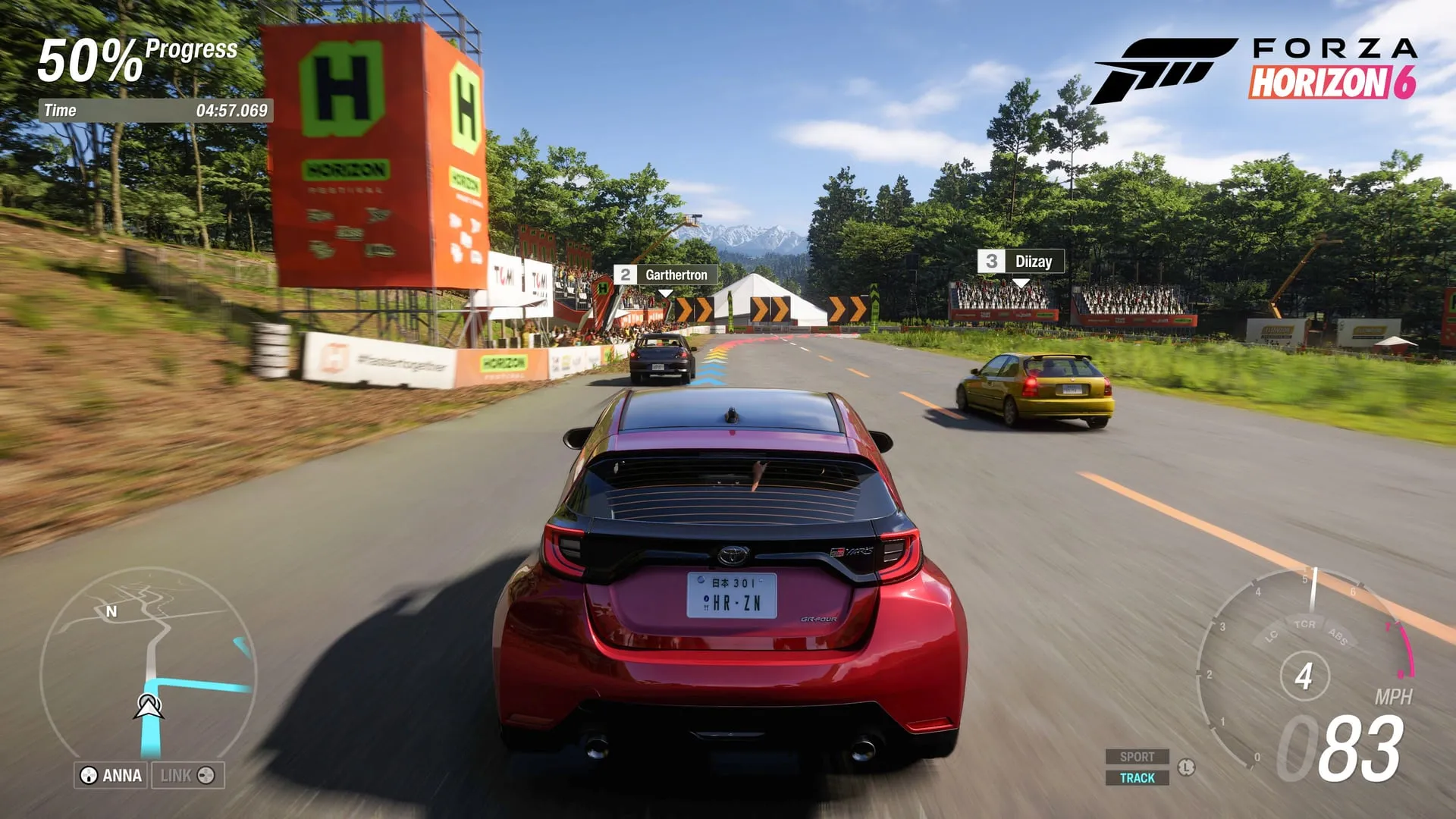
Real places in Forza Horizon 6: the Japanese landmarks you can visit
The real Japanese landmarks recreated in Forza Horizon 6, from Hirosaki Castle and Nachi Falls to Shibuya Crossing, and which in-game region each one sits in.
The short answer
Forza Horizon 6 recreates many real Japanese places, including Hirosaki Castle, Nachi Falls and its shrine, Ruriko-ji Temple, Ine fishing village, Shirakawa-go, Mt. Haruna, the Tateyama Kurobe snow walls, Shibuya Crossing, Akihabara, Ginkgo Avenue, Tokyo Tower and the Daikoku car meet. Playground Games says the map is an interpretation, not a copy: the places are real but they are rearranged to fit one country-sized map.
- Approach
- Real landmarks, rearranged
- Cultural consultant
- Kyoko Yamashita
- In Takashiro
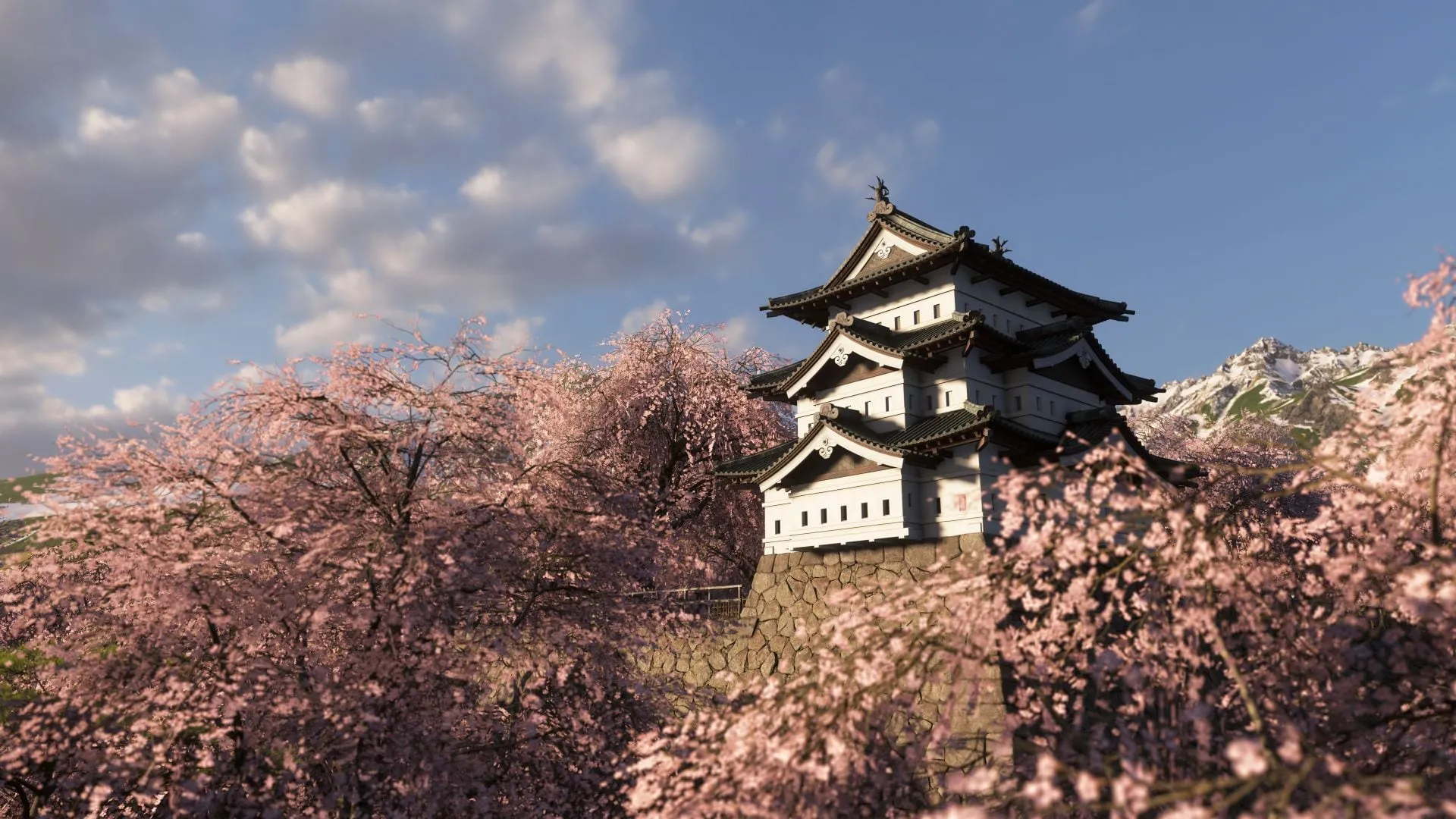
- Hirosaki Castle, Nachi Falls
- In Tokyo City
- Shibuya, Akihabara, Ginkgo Avenue, Tokyo Tower
- Mountain roads
- Mt. Haruna, Bandai Azuma, Tateyama Kurobe
- Districts and landmarks
- 74 to discover
Which real places are in the game?
Xbox Wire’s launch-day tour with design director Torben Ellert and art director Don Arceta, Forza.net’s map reveal and PC Gamer’s review name these. The region column shows where outlets that have driven the map place each one; “not confirmed” means we found no reliable source for the region.
| In the game | Real location | In-game region |
|---|---|---|
| Hirosaki Castle | Aomori Prefecture | Takashiro, northeast (PC Gamer) |
| Nachi Falls and the Kumano Nachi Taisha shrine | Wakayama Prefecture | Takashiro, western edge (GamesRadar+) |
| Kinkaku-ji Temple | Kyoto | Ohtani (GamesRadar+) |
| Narai-Juku | Nagano Prefecture | Shimanoyama (GamesRadar+) |
| Bandai Azuma Skyline | Fukushima Prefecture | Shimanoyama (GamesRadar+) |
| Kitayama Big Daisugi | Kyoto | Ito (GamesRadar+) |
| Shibuya Crossing, Akihabara, Ginkgo Avenue, Tokyo Tower | Tokyo | Tokyo City |
| Daikoku car meet | Yokohama | Tokyo City |
| Irabu Bridge | Okinawa | Northeast of Tokyo (PC Gamer) |
| Ruriko-ji Temple | Yamaguchi Prefecture | Not confirmed |
| Ine fishing village | Kyoto Prefecture | Not confirmed |
| Shirakawa-go | Gifu Prefecture | Not confirmed |
| Mt. Haruna | Gunma Prefecture | Not confirmed |
| Tateyama Kurobe snow walls | Toyama Prefecture | Not confirmed |
| Kawazu-Nanadaru Loop Bridge, Izu Skyline | Shizuoka Prefecture | Not confirmed |
| Meoto Iwa (pictured in Xbox Wire’s tour) | Mie Prefecture | Not confirmed |
How close are they to the real thing?
Close in looks, loose in layout. Xbox Wire says the world is “not a one-for-one recreation” but an interpretation of landmarks and how they are tied together. PC Gamer’s review calls the map a patchwork: Hokkaido’s flower gardens sit south of Toyama’s snow walls, and Irabu Bridge, which is in Okinawa, sits northeast of Tokyo.
Playground worked with cultural consultant Kyoko Yamashita from early in development, according to Xbox Wire. For villages like Ine and Shirakawa-go, Arceta says the team studied videos of people walking through them so the drive feels like the real visit, and sometimes swapped a building or added one, such as a petrol station on the outskirts rather than in the center.
What is special about Nachi Falls?
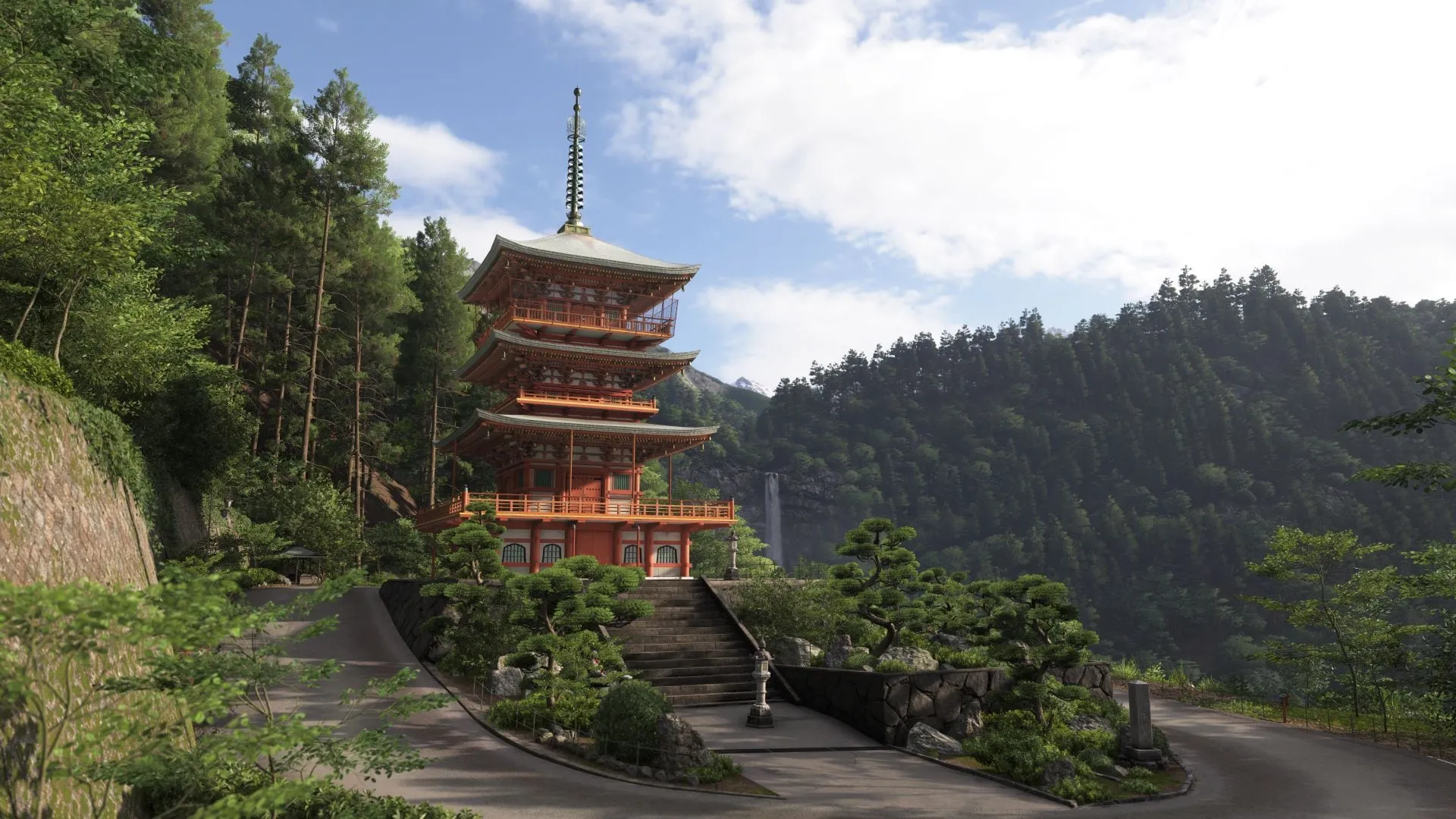
Nachi Falls is Japan’s tallest waterfall, with a 133-meter drop, and the red Kumano Nachi Taisha shrine stands in front of it. Arceta told Xbox Wire the team built the road so you can drive right up and park for the classic tourist photo. Ellert says an XP bonus board is hidden behind the waterfall, and an Aftermarket Car waits further down the river.
What should you see at Hirosaki Castle and Ruriko-ji?
Both are national treasures in Japan, and Xbox Wire says the team made only small changes to let cars in. At Hirosaki Castle, the cherry trees around the keep are among the only trees in the game you cannot smash. Ruriko-ji is recognizable by its five-story pagoda. Both feed the Discover Japan path, which includes Day Trip missions modeled on real tourist outings; see Forza Horizon 6 Stories and Day Trips.
What about the villages?
- Ine. A fishing town on the northern coast, known for its funaya boathouses on the bay. The game keeps the main street of wooden houses and koinobori carp streamers, and roads that let you look back at the boathouses across the water. Xbox Wire says a player house is for sale in Ine and a story mission starts close by.
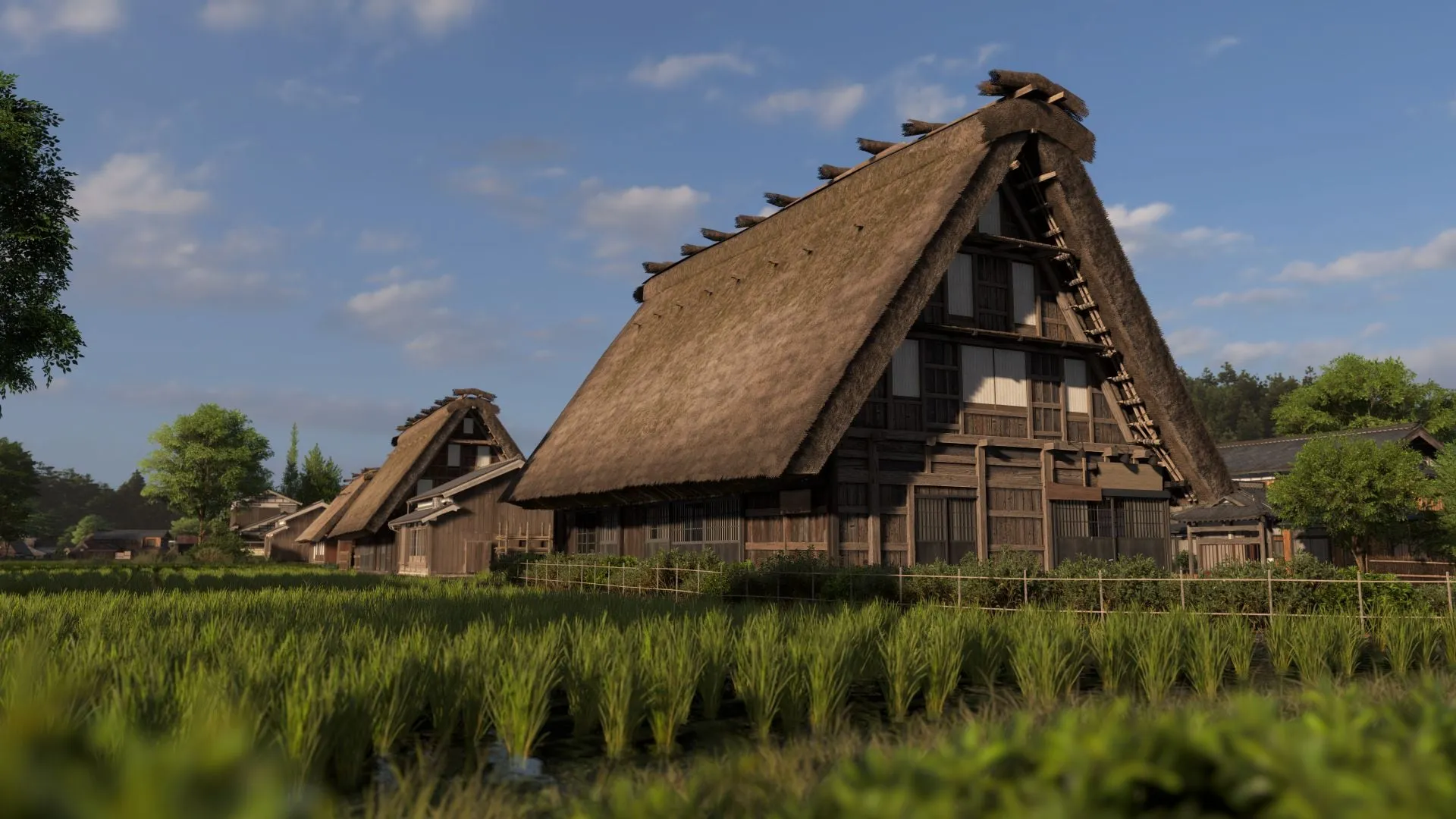
- Shirakawa-go. Thatched farmhouses deep in the Ryohaku Mountains. Arceta says heavy snow piles up on the roofs in winter, which is why it is worth a return visit when the season changes. The Shirakawa Circuit race also looks and plays differently in each season.
Which famous roads can you drive?
Forza.net names routes inspired by Tokyo’s C1 loop and Ginkgo Avenue, plus the mountain passes of Mt. Haruna and Bandai Azuma. Xbox Wire describes Mt. Haruna’s narrow hairpins down the cliffs and the Tateyama Kurobe alpine route between walls of snow. PC Gamer’s review adds the spiral Kawazu-Nanadaru Loop Bridge and the Izu Skyline with its view of Mt. Fuji.
What is in Tokyo City?
Arceta told Xbox Wire Tokyo City is made of many “little vibes”. Akihabara is the busy electronics and entertainment district. Shibuya Crossing and Ginkgo Avenue sit a short drive apart, as they do in real life. Daikoku is calmer, and Forza.net adds Tokyo Tower and an expressway network inspired by the C1 loop.
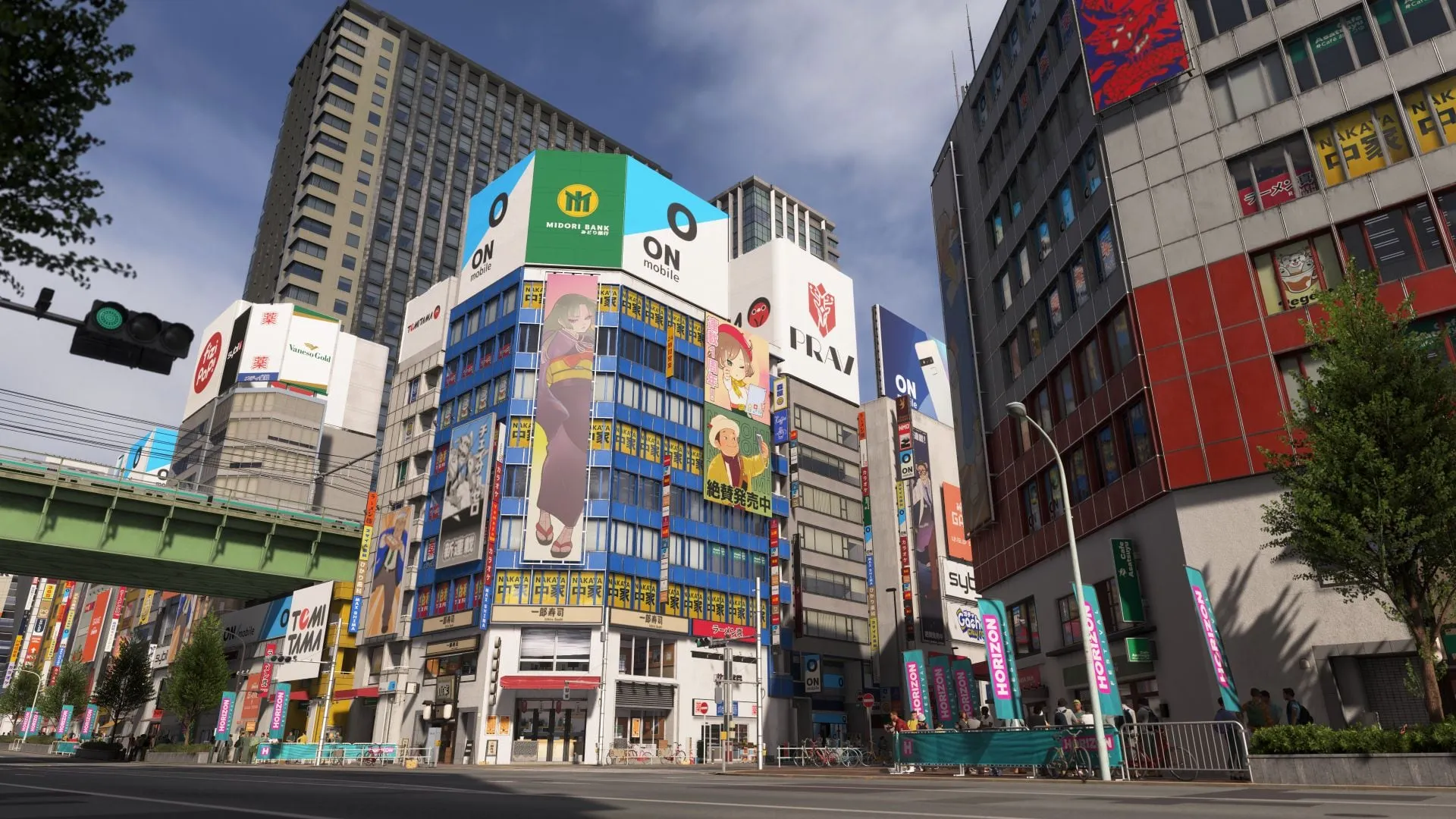
Landmarks count toward your Collection Journal when you photograph them; see photo mode. For the regions themselves, see the Forza Horizon 6 map.
Newsletter
Get new guides by email
One short email when new walkthroughs and guides go up. No spam, and you can unsubscribe from any email.
You'll get an email to confirm. Sign-ups are handled by Kit; see our privacy page.
Quick questions
Is Forza Horizon 6 a real map of Japan?
No. Xbox Wire stresses it is not a one-for-one recreation but an interpretation of landmarks and how they connect. PC Gamer's review gives examples: Hokkaido's flower gardens sit south of Toyama's snow walls, and Okinawa's Irabu Bridge is northeast of Tokyo.
Where is Hirosaki Castle in Forza Horizon 6?
In the northeast of the Takashiro region, near the eastern edge of the map, per PC Gamer. It is a named location on the map.
Where is Nachi Falls?
On the western edge of the Takashiro region, which is also the western edge of the map, per GamesRadar+.
Can you drive up Mount Fuji?
PC Gamer's preview described Fuji as a distant backdrop rather than a drivable mountain, at least in that build. Its review names the view of Mt. Fuji from the Izu Skyline as a highlight.
Can you smash the cherry trees at Hirosaki Castle?
No. Art director Don Arceta told Xbox Wire they are among the only trees in the game you cannot smash, out of respect, a point raised by cultural consultant Kyoko Yamashita.
Is there anything hidden at Nachi Falls?
Yes. Design director Torben Ellert told Xbox Wire there is an XP bonus board behind the waterfall, and an Aftermarket Car down the river.
Sources
- A Tourist's Guide to Forza Horizon 6, From A Designer's PerspectiveXbox Wire
- Forza Horizon 6: Answering the Big Questions About That Japan SettingXbox Wire
- Forza Horizon 6 - Full Map RevealForza.net
- 10 Incredible New Features Coming to Forza Horizon 6Forza.net
- Earn Your Gold Wristband and Become a Horizon Legend in JapanForza.net
- Forza Horizon 6 reviewPC Gamer
- Forza Horizon 6's Japan map is the series' best yetPC Gamer
- Forza Horizon 6 Hirosaki Castle locationPC Gamer
- Forza Horizon 6 Temple of Nachi Falls locationGamesRadar+
- All Forza Horizon 6 Barn Find locationsGamesRadar+
More Forza Horizon 6 guides
- Forza Horizon 6 fast travel: free, but only to roads you have drivenFast travel in Forza Horizon 6 is free from the start, with no house or boards needed. The catch: you can only jump to roads you have already driven.
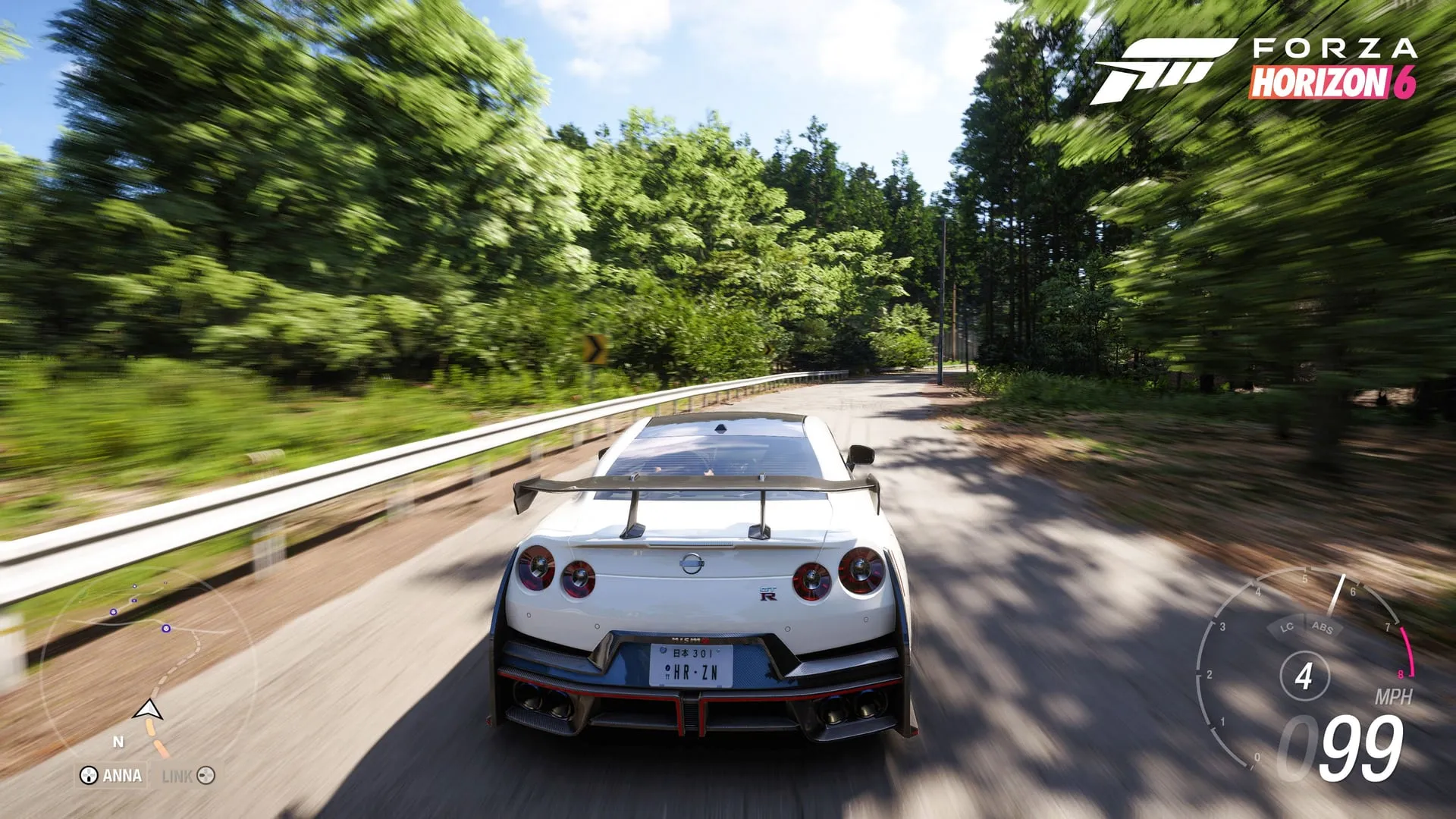
- How big is the Forza Horizon 6 map? Size compared with FH5 and FH4Playground Games calls Japan its biggest Horizon map but has never given a size. What is confirmed: Tokyo City's scale, 673 roads, 74 districts and how FH5 compares.
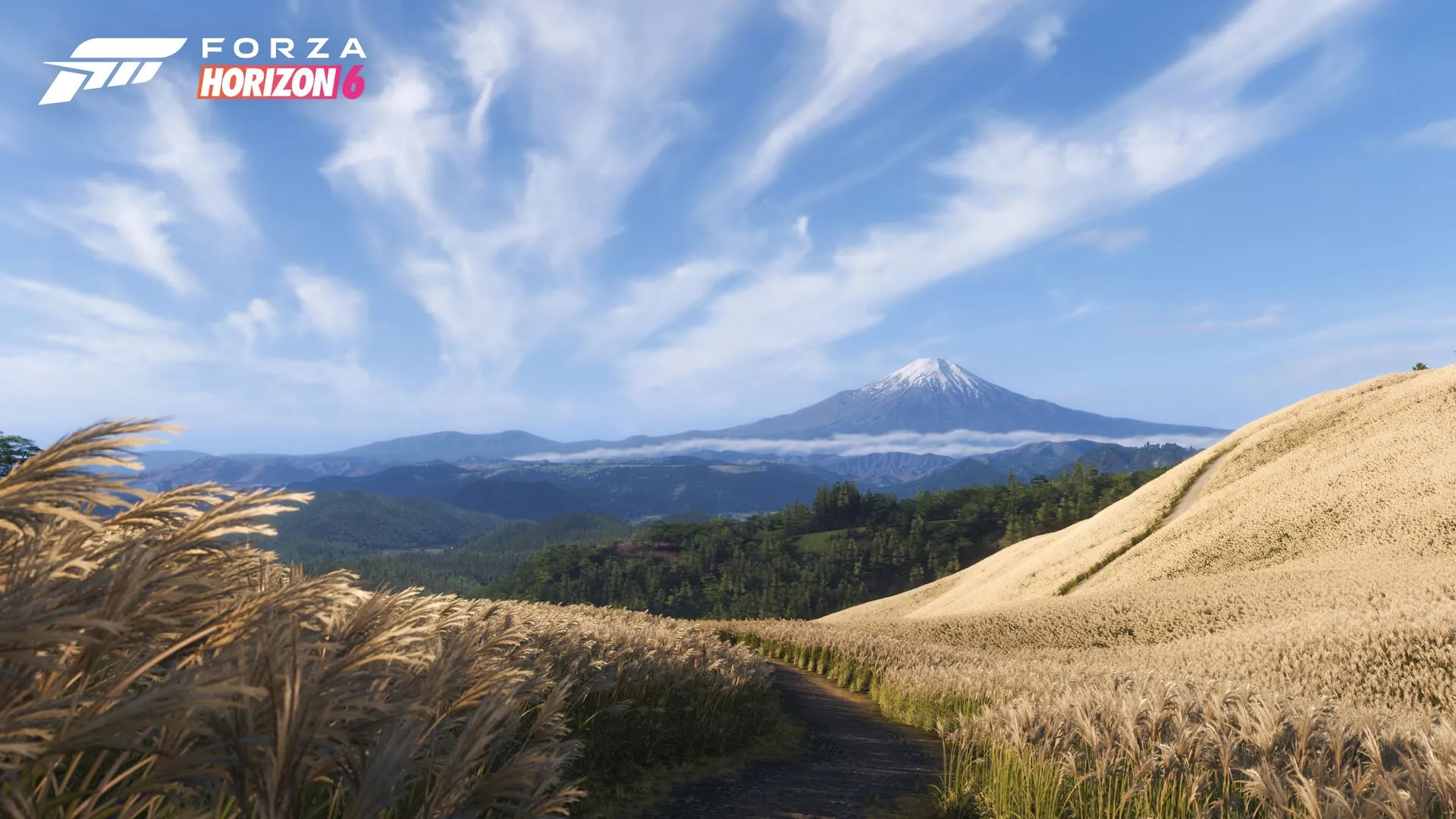
- Forza Horizon 6 release date: Xbox, PC and PS5 timesForza Horizon 6 came out on May 19, 2026 on Xbox Series X|S and PC. It reaches PS5 on January 26, 2027, with Premium early access from January 21. Unlock times inside.
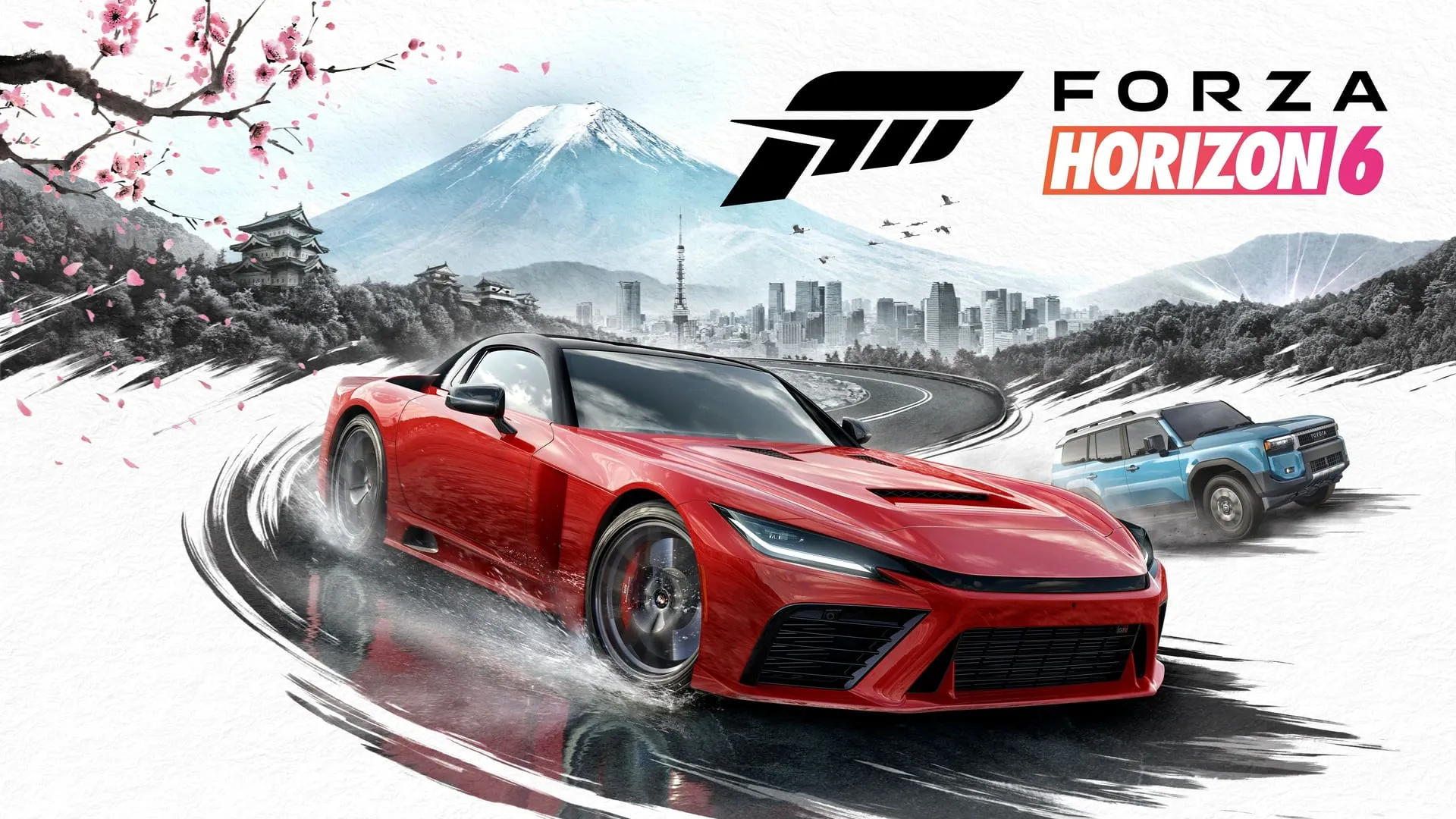
- Forza Horizon 6 starter car: which of the three to pickForza Horizon 6 lets you pick a Nissan Silvia K's, Toyota Celica GT-Four or GMC Jimmy, but you get all three. Their classes, what each suits and the next free cars.